
Protecting Your ATU From Heavy Rain and Flooding in Georgia
Monroe, United States - January 29, 2026 / Alternative Septic Management /
Georgia’s unpredictable weather brings frequent storms and heavy rainfall, which can quickly affect septic system performance. For homeowners with aerobic treatment units (ATUs), excess rain can overwhelm the system and create serious issues if not properly managed. Alternative Septic Management helps Georgia homeowners understand how flooding impacts ATUs and how to protect their systems from costly water-related damage.
How Rain and Flooding Affect Aerobic Treatment Units
When heavy rain saturates the ground, it can limit how effectively the soil around a drain field absorbs wastewater. ATUs rely on a balance of oxygen, bacteria, and consistent flow to treat water properly. Excess surface water or standing moisture disrupts that balance, leading to slow treatment and potential overflow. In Georgia, clay-heavy soils hold water longer, increasing the chance of flooding and drainage issues after storms.
Rainwater entering the system through loose risers or cracked tanks can also dilute the wastewater, interrupting treatment and forcing the unit to work harder than designed. Left unaddressed, this can reduce system life and lead to expensive repairs.
What Happens When Systems Become Oversaturated
Oversaturation occurs when the soil surrounding the drain field cannot absorb any more water. During or after heavy rain, wastewater may have nowhere to go, causing it to rise toward the surface. In serious cases, water can back up into the tank or even into household plumbing.
When an ATU becomes waterlogged, the aeration process slows down. The beneficial bacteria responsible for breaking down waste may not receive enough oxygen to function effectively. This can lead to odor problems, reduced treatment quality, and potential contamination of nearby groundwater.
Warning Signs of Rain-Related Problems
Standing Water or Soft Ground Around the Drain Field
If puddles remain near the drain field for more than a day or two after a storm, the soil may be oversaturated. Persistent sogginess often indicates that the field is struggling to absorb water efficiently.
Unusual Odors or Overflow
A strong sewage smell near the tank or drain field could signal that effluent is not being properly treated or absorbed. In some cases, partially treated wastewater may begin surfacing above ground.
System Alarms or Electrical Issues
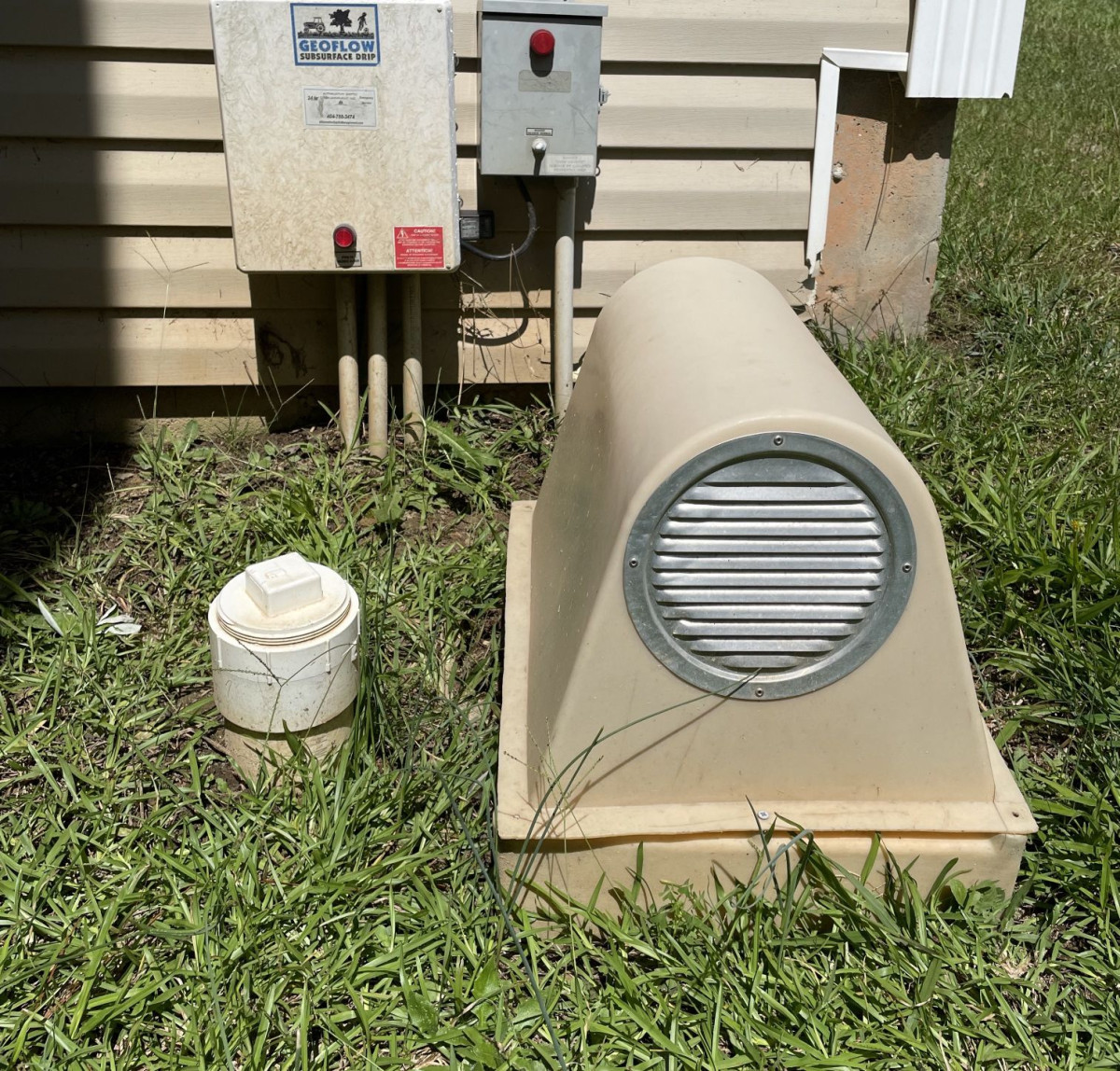
Most ATUs have alarms designed to alert homeowners to problems such as high water levels or pump malfunctions. Heavy rain or flooding can trigger these alarms. Power surges from storms can also cause electrical issues that interrupt the aeration process.
How Alternative Septic Management Helps Homeowners Prepare
Alternative Septic Management specializes in helping homeowners prepare for Georgia’s stormy seasons. Their technicians perform detailed inspections of aerobic treatment units, checking for cracks, leaks, and loose risers that might allow rainwater to enter the system. They also test the pump, aerator, and control panel to make sure everything is working efficiently before the next round of storms.
During these inspections, they assess how well the drain field is absorbing water and whether the soil shows signs of compaction or saturation. If there are any issues, they will provide clear recommendations to prevent further damage.

Preventive Steps Homeowners Can Take
Divert Surface Water Away From the System
Homeowners can reduce flooding risks by directing runoff away from the drain field. Grading the yard to slope gently away from the system helps prevent rainwater from pooling around tanks or lines. Installing small swales or shallow trenches can also improve drainage.
Maintain Gutters and Downspouts
Clogged gutters and misdirected downspouts can release large amounts of water near septic areas. Keeping them clear and routing them away from the system reduces the likelihood of flooding.
Avoid Driving or Parking on Wet Soil
When vehicles or equipment compact the soil over a drain field, it becomes less able to absorb water. Even small lawn tractors can cause lasting damage if the soil is already saturated.
Recovering From Heavy Rain or Flooding
After major storms or flooding, it is important to check for warning signs. If an alarm sounds or slow drainage occurs, homeowners should reduce indoor water use until the soil dries. Avoid running dishwashers, doing laundry, or taking long showers until the system begins functioning normally again.
If standing water remains over the drain field or odors appear, Alternative Septic Management can help. Their team will inspect the system to determine whether water has infiltrated the tank, assess the condition of the aerator, and ensure electrical systems are safe to operate. Addressing these issues early prevents further damage and restores normal operation.
How Regular Maintenance Protects Against Rain Damage
Routine inspections are the best way to protect an ATU from rain-related problems. During maintenance visits, they will identify and seal cracks, replace worn gaskets, and confirm that risers and lids are watertight. They will also check control panels and alarms to ensure they provide accurate warnings during high-water conditions.
By staying proactive, homeowners reduce the risk of infiltration, oversaturation, and system overload. Preventive maintenance also extends the life of the aerator, pump, and other critical components that keep an ATU performing reliably year after year.
Maintain Your ATU With Professional Service
Heavy rain and flooding are a part of life in Georgia, but they do not have to damage your septic system. With proper care, inspections, and preventive maintenance, your aerobic treatment unit can continue working efficiently even through the wettest conditions. Alternative Septic Management provides expert service across Georgia to help homeowners protect their systems and avoid costly repairs.
For professional inspection or seasonal maintenance, call or text 404-788-3474 or visit the website to schedule an appointment. The team at Alternative Septic Management is ready to help you keep your system safe, efficient, and protected from the challenges of Georgia’s weather.
About Alternative Septic Management
Alternative Septic Management provides inspection, maintenance, and service for septic systems across Georgia, with a focus on aerobic treatment units (ATUs). Their team works with homeowners to evaluate system performance, identify potential issues, and support proper operation through routine service and seasonal care. Alternative Septic Management serves residential properties throughout Georgia and offers ongoing support to help maintain reliable wastewater treatment systems.
Contact Information:
Alternative Septic Management
3295 Fannie Thompson Rd.
Monroe, GA 30656
United States
Taylor Walls
(404) 788-3474
https://www.alternative-septic.com/

Original Source: https://www.alternative-septic.com/media-room#/media-room