
Woodland Wanderers Shares a Montessori Nursery Checklist for the Prepared Environment
Potters Bar, United Kingdom - February 16, 2026 / Woodland Wanderers /
Woodland Wanderers Shares a Parent-Friendly Checklist for Choosing a Montessori Nursery
Woodland Wanderers has released a parent-friendly guide designed to support families who are choosing a Montessori nursery in London and the surrounding North London area. The guide takes a practical, journalist-style approach, offering a clear checklist of what parents and carers may wish to look for when visiting early years settings, as well as questions to ask during a nursery tour.
With early childhood education options expanding across the capital, many families are seeking a calmer, child-centred approach that supports independence, emotional confidence, and a love of learning. Woodland Wanderers explains that Montessori-inspired early years environments are often chosen for their thoughtful daily rhythm, prepared learning spaces, and focus on observing the child to meet developmental needs.
Woodland Wanderers notes that parents exploring Montessori settings may benefit from reviewing key topics online in advance, including the Woodland Wanderers Montessori page, the Woodland Wanderers information hub covering settling-in and routine guidance, the Woodland Wanderers About page, and the Woodland Wanderers Book Online page for arranging a visit.
Woodland Wanderers Explains Why Choosing a Montessori Nursery Can Feel Overwhelming for Parents
For many families, selecting a nursery is one of the first major decisions they make in their child’s early years. It can also be an emotional decision, especially for parents preparing for a first separation period or returning to work.
Woodland Wanderers highlights that the process of choosing a Montessori nursery often brings up important questions such as:
Will my child feel safe and secure here?
How will the nursery handle separation anxiety and settling-in?
What does the daily routine look like for toddlers and preschool children?
How will staff communicate with parents?
What happens if my child struggles with transitions, sleep, or eating?
How do Montessori environments support learning without pressure?
Woodland Wanderers also notes that London and North London nurseries may vary significantly in how they interpret Montessori principles. Some settings use Montessori language, while others embed Montessori approaches across routines, staffing, observation, and the learning environment.
This is why a clear, parent-friendly Montessori nursery checklist can be useful for families who want to compare settings confidently.
Woodland Wanderers Recommends Visiting With a Clear Montessori Nursery Checklist in Mind
Woodland Wanderers explains that a nursery visit can feel fast-paced. Parents may be observing their child, listening to staff explanations, scanning the environment, and trying to remember what they wanted to ask.
Having a Montessori nursery checklist helps families stay grounded and notice what matters most, including how staff interact with children, how the space is organised, and whether learning appears calm and child-led.
Woodland Wanderers Defines Montessori in Simple Terms for Families Choosing a Montessori Nursery
Montessori can sometimes be described in complex terms, but Woodland Wanderers explains that the core ideas are easy to recognise when seen in practice.
In a Montessori-inspired early years environment, parents may notice:
children being encouraged to choose activities independently
adults offering guidance without constantly directing play
materials arranged intentionally and accessibly
a calm atmosphere, even during busy moments
routines that support self-care and confidence
Woodland Wanderers notes that Montessori is not about children doing tasks perfectly. It is about giving children the chance to practise skills, repeat activities, and build independence at their own pace.
For families choosing a Montessori nursery in London or North London, Woodland Wanderers suggests that it may be helpful to look beyond labels and focus on how the approach is implemented day to day.
Woodland Wanderers Highlights Observation as a Core Montessori Practice
Woodland Wanderers explains that observation is at the heart of Montessori early years practice. Staff observe children to understand their interests, developmental stage, and emotional needs.
Parents may wish to ask:
How do practitioners observe children and plan activities around what they notice?
How are children supported if they lose interest, become frustrated, or need help?
How does observation influence the learning environment?
A thoughtful answer often indicates that Montessori principles are being applied intentionally rather than superficially.
Woodland Wanderers Shares a Montessori Nursery Checklist for the Prepared Environment
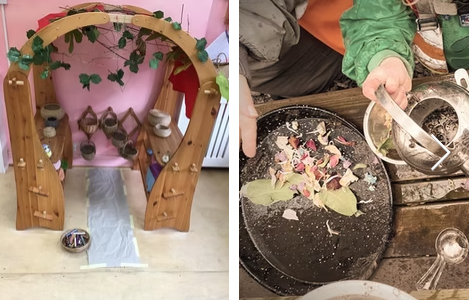
One of the most recognisable Montessori features is the prepared environment. Woodland Wanderers describes this as a carefully arranged space that supports independence, concentration, and purposeful movement.
For parents choosing a Montessori nursery, Woodland Wanderers suggests looking for the following:
Child-sized furniture and tools that allow children to access what they need
Clear organisation where materials have specific places
Simple, calm design that avoids overstimulation
Accessible learning resources rather than locked-away equipment
Practical life areas where children practise everyday skills
Materials that encourage problem-solving rather than passive entertainment
Woodland Wanderers explains that in a Montessori environment, the space itself acts as a quiet teacher. Children are encouraged to explore with purpose because they can reach and use materials appropriately.
Parents may find it helpful to ask:
How often is the environment refreshed or adapted?
Are materials rotated based on observation and interest?
How is the space kept calm during busy times?
Woodland Wanderers Encourages Parents to Look at How Children Move Through the Space
During a tour, Woodland Wanderers recommends noticing whether children appear comfortable in the space. For example:
Do children know where things belong?
Are they able to choose activities freely?
Do they seem calm and focused?
Are adults supporting independence or doing everything for them?
These details can provide insight into how the environment is supporting daily learning.
Woodland Wanderers Explains Mixed-Age Learning and Why It Matters When Choosing a Montessori Nursery
Montessori settings often use mixed-age learning as part of the approach. Woodland Wanderers explains that mixed-age environments can encourage peer learning and social development in a natural way.
In mixed-age groups, younger children may learn through watching older peers, while older children practise leadership, patience, and communication.
Woodland Wanderers notes that parents may wish to ask:
Are children grouped in mixed ages, and if so, how is it structured?
How do staff ensure younger children are supported appropriately?
How do older children stay engaged and challenged?
For parents choosing a Montessori nursery in North London, understanding how mixed-age learning is managed can help them assess whether the approach feels beneficial for their child.
Woodland Wanderers Highlights Social Confidence as a Natural Outcome of Mixed-Age Learning
When children spend time with peers of different ages, they often develop social confidence more naturally. Woodland Wanderers explains that younger children may feel inspired, while older children feel valued in their role within the group.
Mixed-age environments can also reflect family-like dynamics, which may feel comforting for some children during the settling-in phase.
Woodland Wanderers Shares What to Look For in Independence and Practical Life Skills
Independence is a key reason many families are drawn to Montessori settings. Woodland Wanderers explains that independence does not mean children are left unsupported. It means children are given the chance to try first, then receive guidance when needed.
Practical life skills in Montessori early years settings may include:
pouring water independently
tidying materials after use
practising handwashing routines
learning how to put on shoes and coats
preparing snacks or setting up activities
carrying items carefully and responsibly
For parents choosing a Montessori nursery, Woodland Wanderers suggests looking for independence being supported gently and consistently, rather than rushed or forced.
Parents may wish to ask:
How is independence supported for toddlers who want help?
How are children encouraged without pressure?
What routines help children practise self-care skills?
Woodland Wanderers Notes That Independence Often Builds Confidence
Woodland Wanderers explains that independence is closely linked to confidence. When children learn that they can do something for themselves, they often become calmer and more willing to try new things.
This is especially valuable in early years settings, where confidence supports learning, friendships, and emotional wellbeing.
Woodland Wanderers Discusses the Key Person Approach and What It Should Feel Like
For many families in London and North London, the key person approach is one of the most important parts of nursery care. Woodland Wanderers explains that the key person system supports emotional security by ensuring each child has a consistent adult relationship within the setting.
Parents choosing a Montessori nursery may want to ask:
Who will be my child’s key person?
How is the key person relationship built during settling-in?
How does the key person communicate with parents?
What happens if the key person is away?
How does the nursery ensure emotional needs are supported daily?
Woodland Wanderers notes that the key person approach should feel calm, attentive, and consistent. Children often settle more confidently when they know who to go to for comfort or support.
Woodland Wanderers Explains Why Settling-In Is Not “One Size Fits All”
Some children settle quickly. Others need more time, especially when transitioning into nursery for the first time.
Woodland Wanderers explains that parents may wish to ask:
How flexible is the settling-in process?
What does a typical settling-in week look like?
How does the nursery support separation anxiety?
What support is offered to parents during the transition?
Understanding settling-in support helps families feel prepared rather than uncertain.
Woodland Wanderers Shares a Parent-Friendly Guide to Settling-In and Daily Routine
Daily routine is one of the biggest concerns for parents choosing a Montessori nursery. Woodland Wanderers explains that routines provide predictability and emotional comfort for children, particularly toddlers.
Parents often want to understand:
How does the day start and end?
What does a typical morning look like?
How are meals and snacks managed?
How are naps supported, especially for younger children?
How are transitions handled between activities?
Woodland Wanderers explains that Montessori-inspired routines often aim to feel calm and purposeful, with space for children to focus and time to repeat activities without being rushed.
Woodland Wanderers suggests that families may benefit from reviewing information in advance through the Woodland Wanderers info hub, which can include guidance on daily routines, settling-in support, and what to wear.
Woodland Wanderers Recommends Asking How Nursery Routines Adapt to Individual Needs
A predictable routine is valuable, but flexibility is equally important. Woodland Wanderers explains that parents may wish to ask:
How are children supported if they need extra rest?
How are food preferences and dietary needs handled?
How do staff respond if a child is unsettled during transitions?
The answers often reveal how well the nursery understands individual development.
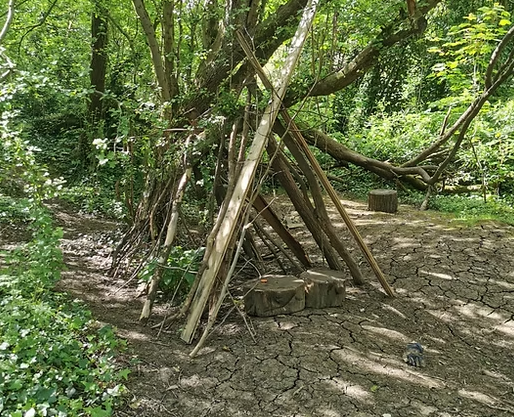
Woodland Wanderers Explains Outdoor Learning as Part of Montessori Nursery Choice
Outdoor learning is increasingly important to families in London, especially for young children who benefit from movement, sensory play, and nature connection.
Woodland Wanderers explains that outdoor learning supports:
gross motor skills development
physical coordination and balance
confidence through managed challenge
language development through real-world discovery
emotional wellbeing through space and movement
Parents choosing a Montessori nursery may wish to ask:
How often do children go outdoors?
Is outdoor learning planned or only “free play time”?
How does outdoor time change across seasons?
What clothing and footwear are needed?
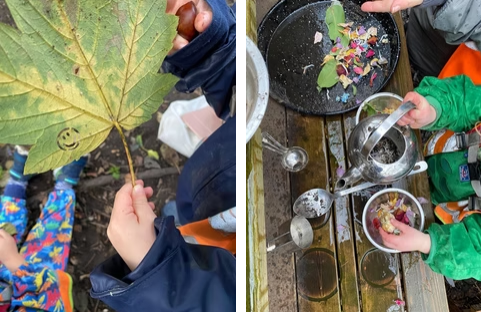
Woodland Wanderers notes that outdoor learning can work alongside Montessori principles naturally, supporting independence and curiosity.
Woodland Wanderers Encourages Parents to Ask About Weather Readiness
Outdoor learning in early years continues through changing weather, so Woodland Wanderers recommends asking:
How does the nursery support outdoor time in cold or wet seasons?
What should parents send their child each day?
How is comfort managed during seasonal changes?
A clear explanation often suggests strong planning and consistent routines.
Woodland Wanderers Shares Questions Parents Can Ask on a Montessori Nursery Tour
A tour is one of the best ways to understand how a nursery operates. Woodland Wanderers recommends asking questions that reveal day-to-day reality rather than just broad philosophy.
Below is a Montessori nursery checklist of parent questions Woodland Wanderers suggests considering during a visit.
Woodland Wanderers Montessori Nursery Checklist for Environment and Learning
How is the classroom environment organised for independence?
What types of Montessori materials are used daily?
How do children choose activities?
How do staff guide learning without interrupting concentration?
How is progress observed and recorded under EYFS?
Woodland Wanderers Montessori Nursery Checklist for Staff Approach
How do practitioners support children who need reassurance?
How do staff handle conflict or challenging behaviour calmly?
How is kindness and respectful communication modelled?
How do staff help children build confidence and independence?
Woodland Wanderers Montessori Nursery Checklist for Routine and Comfort
How does the daily routine flow throughout the day?
What is the settling-in process, and how flexible is it?
How are naps supported for younger children?
How are meals and snacks handled?
Woodland Wanderers Montessori Nursery Checklist for Communication and Parent Partnership
How are parents updated about their child’s day?
What communication channels are used and how often?
How are parent questions handled?
How does the nursery build parent partnership long-term?
Woodland Wanderers Highlights Parent Partnership as a Key Indicator of Quality
Parent partnership supports better settling-in, stronger communication, and a clearer understanding of the child’s needs.
Woodland Wanderers recommends looking for nurseries that actively support parent partnership through:
consistent daily updates
approachable staff communication
respectful guidance and reassurance
openness to feedback and questions
Families often feel more comfortable when communication is clear from the start.
Woodland Wanderers Encourages Parents to Review Nursery Information Before Choosing a Montessori Nursery
Before deciding on a setting, Woodland Wanderers notes that many parents find it helpful to explore relevant information online.
This can include:
reading the Woodland Wanderers Montessori page to understand the approach
visiting the Woodland Wanderers About page to learn about values and ethos
using the Woodland Wanderers information hub for settling-in guidance, daily routine information, and what to wear
visiting the Woodland Wanderers Book Online page to arrange a tour
Woodland Wanderers explains that preparing for a nursery visit helps parents feel more confident and allows them to focus on observing how children interact, how staff respond, and how the day feels in real time.

Woodland Wanderers: A Practical Checklist for Choosing a Montessori Nursery in London and North London
Woodland Wanderers has shared an informational, parent-friendly guide designed to help families feel more confident when choosing a Montessori nursery.
The guide outlines what parents may wish to look for during a visit, including:
a prepared environment that supports independence
mixed-age learning opportunities and thoughtful social development
observation-led teaching that responds to children’s needs
practical life routines that build confidence and calm
a key person approach that supports emotional security
settling-in support that respects individual pace
clear daily routines that feel purposeful and predictable
outdoor learning that supports physical development and wellbeing
parent partnership practices that keep communication consistent
Woodland Wanderers encourages parents and carers to continue their research by visiting the Woodland Wanderers Montessori page, the Woodland Wanderers information hub (routine, what to wear, settling-in), the Woodland Wanderers About page, and the Woodland Wanderers Book Online page when planning a visit.

Contact Information:
Woodland Wanderers
98 Hatfield Road Potters Bar
Potters Bar, Hertfordshire EN6 1HX
United Kingdom
Asha Chandegra
+44 7825 781270
https://www.woodlandwanderers.info/